Blog

How AI Can Help You Rank Faster On Google

How to Use Ai For SEO

Predictive Keyword Research & Intent Mapping.How to Use Ai For SEO

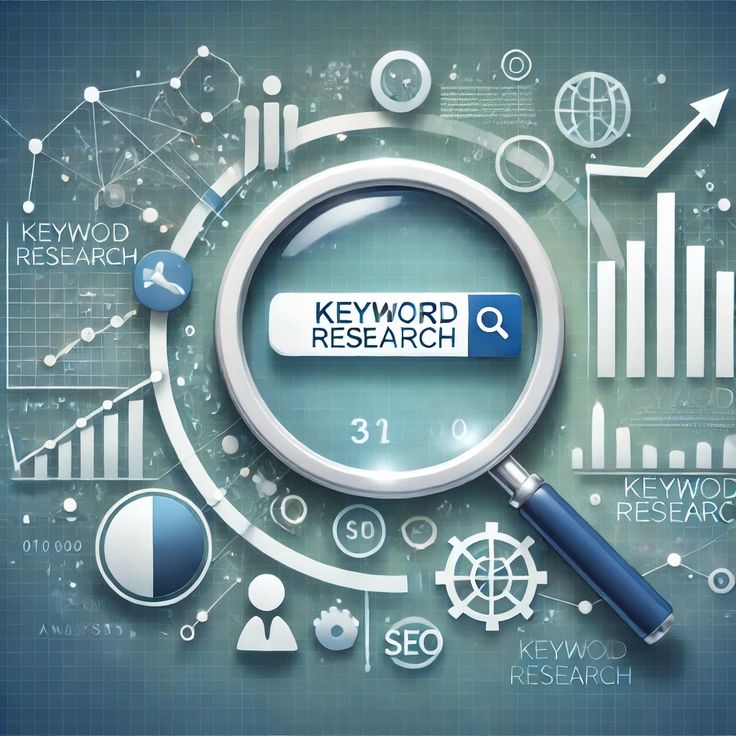
Skip the guesswork. Advanced AI algorithms process search patterns in seconds to uncover hidden, low-competition keywords. It perfectly maps out user intent so you target the exact search phrases that bring immediate traffic and fast conversions.

How to Use Ai For SEO

Automated Semantic Content Optimization.How to Use Ai For SEO

AI reads top-ranking pages across the web to identify exactly what keywords, topics, and terms Google expects to see. By structuring your content around these semantic data points, AI ensures your articles are instantly recognized as authoritative by search crawlers.

How to Use Ai For SEO

Bulk Meta Data & Snippet Generation.How to Use Ai For SEO

Writing page titles and meta descriptions for hundreds of pages takes weeks. AI automates this entire process at scale, generating high-click-through-rate (CTR) snippets optimized with your exact target keywords to improve organic traffic overnight.
Real-Time Traffic Surges

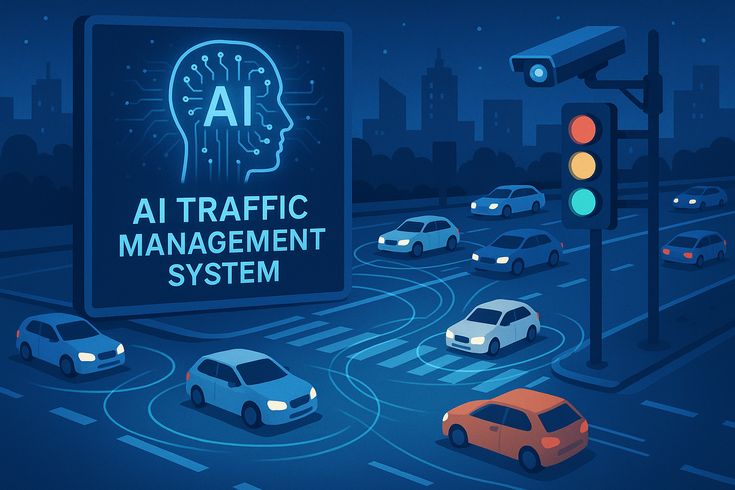
Live dashboard tracking. Watch impressions and organic traffic climb sharply just weeks after implementing AI-driven keyword clusters and semantic content updates.
Content Production Pipelines

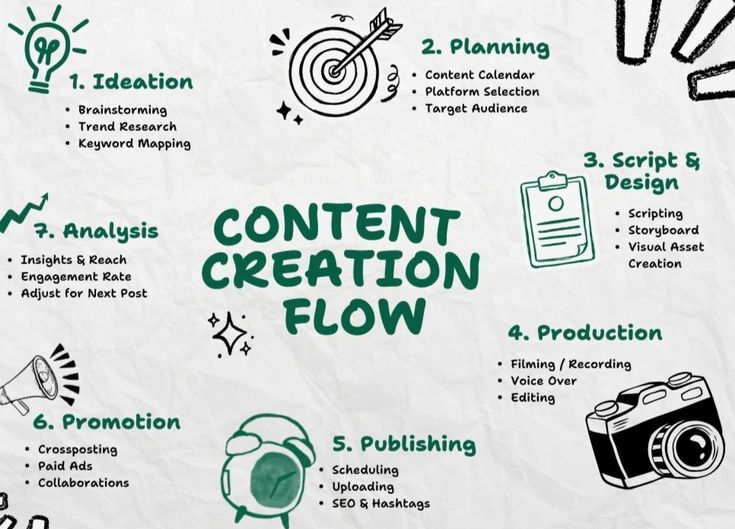
Scaling without losing quality. A glance at our modern digital workspace where team members combine AI frameworks with human editing to launch high-ranking blog posts daily.

Lightning-Fast Keyword Discovery

While manual keyword research takes days, AI analyzes millions of search patterns in seconds. It instantly isolates high-volume, low-competition keywords, giving you an immediate competitive advantage.

Data-Backed Semantic Structures

AI crawls the top-ranking pages on Google to map out exactly what terms, subheadings, and data structures the algorithm expects. It builds a perfect content framework that crawlers recognize as highly authoritative.

Automated Content Refreshing

Google penalizes outdated information. AI actively monitors your website’s rankings and flags pages that are beginning to slip, suggesting real-time text updates and new keywords to instantly reclaim your top spot.


The Rise of Long-Form Video: Why platforms are pivoting back to deeper storytelling over 15-second clips.

The Rise of Long-Form Video: Why Depth is Defeating the “Quick Hit”.The Rise of Long-Form Video

The Rise of Long-Form Video

The Rise of Long-Form Video.For years, the digital marketing mantra was “shorter is better.” We were told that human attention spans had shrunk, leading to the explosion of 15-second clips. However, as we move through 2026, the tide has turned. Major platforms are shifting their algorithms to favor long-form video, signaling a return to deeper storytelling.

Here is why depth is making a massive comeback and how your brand can adapt to this “satisfaction-first” era.


1. The Shift from “Watch Time” to “Satisfaction”,The Rise of Long-Form Video

The Rise of Long-Form Video

In 2026, the YouTube algorithm has undergone a philosophical shift. It no longer just asks, “How long did they watch?” but “Was the viewer satisfied?”

  • Quality over Quantity: A 10-minute video with a 70% completion rate now carries more weight than a 30-minute video where users bounce after 8 minutes.
  • The Recommendation Loop: Platforms now track “session depth.” If your long-form video leads a viewer to watch another video on your channel, the algorithm scales your reach exponentially.

2. Why Platforms are Pushing “Longer”.The Rise of Long-Form Video

The Rise of Long-Form Video
{“prompt”:”A realistic cinematic image of a person standing still in the center of a dark space, surrounded by a massive wave of floating digital screens, social media posts, notifications, reels, and ads rushing toward them. The person looks overwhelmed and small compared to the scale of the content avalanche. The screens show bright, colorful visuals creating a sense of chaos and overstimulation. Motion blur is used to show speed and movement. Moody lighting, depth of field, and a slightly dystopian atmosphere”,”originalPrompt”:”A realistic cinematic image of a person standing still in the center of a dark space, surrounded by a massive wave of floating digital screens, social media posts, notifications, reels, and ads rushing toward them. The person looks overwhelmed and small compared to the scale of the content avalanche. The screens show bright, colorful visuals creating a sense of chaos and overstimulation. Motion blur is used to show speed and movement. Moody lighting, depth of field, and a slightly dystopian atmosphere”,”width”:692,”height”:852,”seed”:42,”model”:”flux”,”enhance”:false,”nologo”:true,”negative_prompt”:”undefined”,”nofeed”:false,”safe”:false,”quality”:”medium”,”image”:[],”transparent”:false,”isMature”:false,”isChild”:false,”trackingData”:{“actualModel”:”flux”,”usage”:{“candidatesTokenCount”:1,”totalTokenCount”:1}}}

It isn’t just a creative choice; it’s a business necessity for the big players.

  • The Living Room Economy: More users are watching YouTube and TikTok on their Smart TVs. This “lean-back” behavior favors 10-20 minute mini-documentaries or deep-dives over rapid-fire vertical clips.
  • Monetization & ROI: Long-form video allows for integrated sponsorships and mid-roll ads, which are more lucrative. For brands, this format provides the space to address “silent objections” and demonstrate complex products, leading to a 32% higher ROI in recent influencer campaigns.

3. The “Hybrid Funnel” Strategy.The Rise of Long-Form Video

The most successful creators in 2026 aren’t choosing between short and long; they are using both in a unified funnel.

  • Short-Form as the Hook: Use 15-second “pattern-interrupt” clips to grab attention in a crowded feed.
  • Long-Form as the Engine: Direct that traffic to a comprehensive 10-minute video that builds authority and trust. This “Hybrid Health” metric is now the gold standard for measuring content success.
  • Search Intent: Long-form video is an SEO powerhouse. Tutorials and “How-to” guides rank higher because they provide the keyword depth and “dwell time” that search engines crave.

4. How to Transition Without Losing Your Audience

Depth doesn’t mean “boring.” To keep viewers engaged for 10+ minutes, apply these 2026 best practices:

  • The 30-Second Commitment: While the first 3 seconds grab the eye, you must deliver on your title’s promise within the first 30 seconds to commit the viewer to the long haul.
  • Micro-Niche Moats: Stop trying to appeal to everyone. Deep-dive into hyper-specific topics (e.g., “Email Marketing for Local Kerala Academies”) to build a passionate, loyal community.
  • Pattern Interrupts: Use chapters, visual breaks, and “B-roll” every 75-100 words to keep the visual experience fresh and reduce bounce rates.

The Verdict

Short-form is for discovery, but long-form is for conversion. In a world saturated with AI-generated “snackable” content, human-led storytelling and deep expertise are the only ways to build a lasting brand.

Key Takeaway: The goal is no longer just to stop the scroll—it’s to earn the stay. Earn your audience’s time, and you will earn their trust.

The Human-AI Collaborative Workflow: How to use AI for data and drafting without losing your brand’s unique voice

The Human-AI Collaborative Workflow

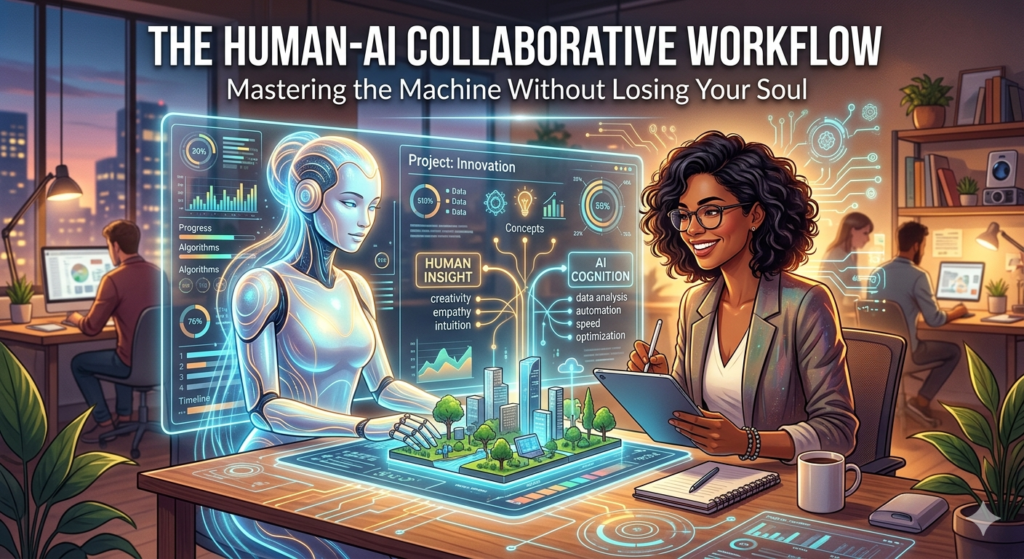
The Human-AI Collaborative Workflow: Mastering the Machine Without Losing Your Soul.The Human-AI Collaborative Workflow

The Human-AI Collaborative Workflow.In the current digital landscape, the question is no longer “Should we use AI?” but “How do we use AI without sounding like a robot?”

The “Human-AI Collaborative Workflow” is the sweet spot where efficiency meets authenticity. When done correctly, AI handles the heavy lifting of data and drafting, while you—the human—provide the heart, the strategy, and the brand voice.


1. The Data Phase: AI as Your Research Assistant.The Human-AI Collaborative Workflow

The Human-AI Collaborative Workflow

Before a single word is written, AI can process information at a scale humans simply can’t. Use it to:

  • Analyze Trends: Feed AI customer feedback or industry reports to identify recurring “pain points.”
  • Keyword Mapping: Ask AI to find “semantic” keywords—terms related to your main topic that help search engines understand your context.
  • Competitor Gaps: Use AI to summarize the top five articles on a topic and identify what they missed.

The Human Touch: You decide which data matters. AI can find the “what,” but you determine the “so what?” and how it applies to your specific audience.


2. The Drafting Phase: Building the Skeleton.The Human-AI Collaborative Workflow

The Human-AI Collaborative Workflow

Staring at a blank cursor is the biggest productivity killer. AI is the world’s best “first draft” machine.

  • Outline Generation: Use AI to create a logical flow for your blog post or email campaign.
  • Overcoming Writer’s Block: If you’re stuck on an intro, ask for three different variations (e.g., one witty, one professional, one provocative).
  • The 70/30 Rule: Let AI generate 70% of the initial structure, but prepare to spend 30% of your time heavily editing and refining.

3. The Drafting Phase: Building the Skeleton.The Human-AI Collaborative Workflow

This is where most marketers fail. If you copy-paste AI output, your brand becomes invisible. To keep your unique voice:

  • Inject Personal Stories: AI doesn’t have memories. Add a real-life anecdote, a client success story, or a specific local reference that only a human would know.
  • Adjust the “Temperature”: AI tends to use repetitive words (like “delve,” “unlock,” or “comprehensive”). Swap these for the specific slang or terminology your community actually uses.
  • Fact-Checking & Ethics: AI can hallucinate. Every statistic or claim must be verified by a human to maintain brand trust.

4. The Final Polish: Tone Tuning

Before hitting “publish,” read the content aloud.

  • Does it sound like something you would say in a meeting?
  • Does it reflect your brand’s values?
  • Is it formatted for readability (bolding, bullet points, and short paragraphs)?

The Bottom Line

AI is a high-powered engine, but you are the driver. By using AI to handle the time-consuming research and initial drafting, you free up your mental energy to focus on the creative strategy and emotional connection that truly defines your brand.

Key Takeaway: AI is your co-pilot, not the captain. Use it to speed up the journey, but keep your hands on the wheel to ensure you arrive at a destination that feels authentic.